
Ivan Turgenev
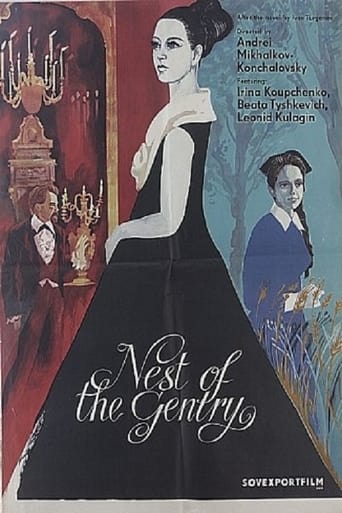
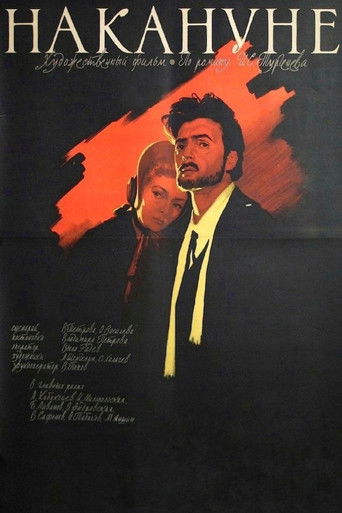
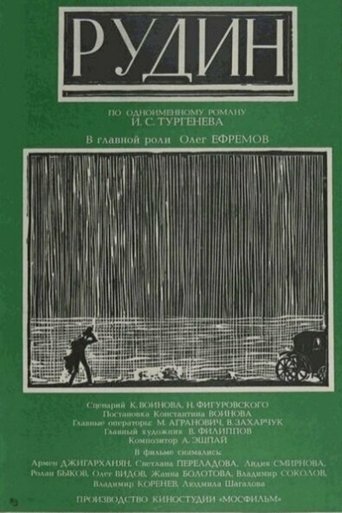
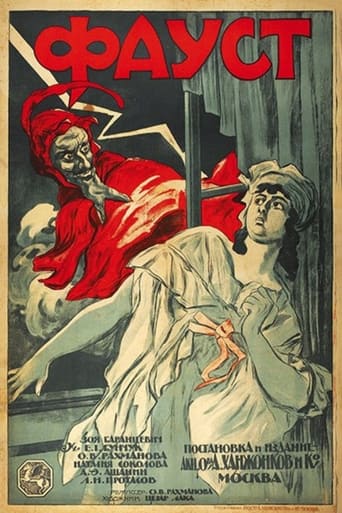
Born 9 November 1818 · Oryol, Oryol Governorate, Russian Empire [now Oryol Oblast, Russia] · Died 3 September 1883Ivan Sergeyevich Turgenev (1818-1883) was a Russian novelist, short story writer, poet, playwright, translator and popularizer of Russian literature in the West. Turgenev made his name with 'A Sportsman's Sketches', also known as 'Sketches from a Hunter's Album' or 'Notes of a Hunter', a collection of short stories, based on his observations of peasant life and nature, while hunting in the forests around his mother's estate of Spasskoye. The book is credited with having influenced public opinion in favour of the abolition of serfdom in 1861. Turgenev himself considered the book to be his most important contribution to Russian literature. One of the stories, 'Bezhin Lea' or 'Byezhin Prairie', was to become the basis for Sergei Eisenstein's controversial film Bezhin Meadow (1937). In the early 1850s, Turgenev wrote several novellas ('The Diary of a Superfluous Man', 'Faust', 'The Lull') expressing the anxieties and hopes of Russians of his generation. During the period of 1853–62 Turgenev wrote some of his finest stories as well as the first four of his novels: 'Rudin' (1856), 'A Nest of the Gentry' (1859), 'On the Eve' (1860) and 'Fathers and Sons' (1862). Fathers and Sons remains Turgenev's most famous novel. The novel examined the conflict between the older generation, reluctant to accept reforms, and the nihilistic youth.
Known for